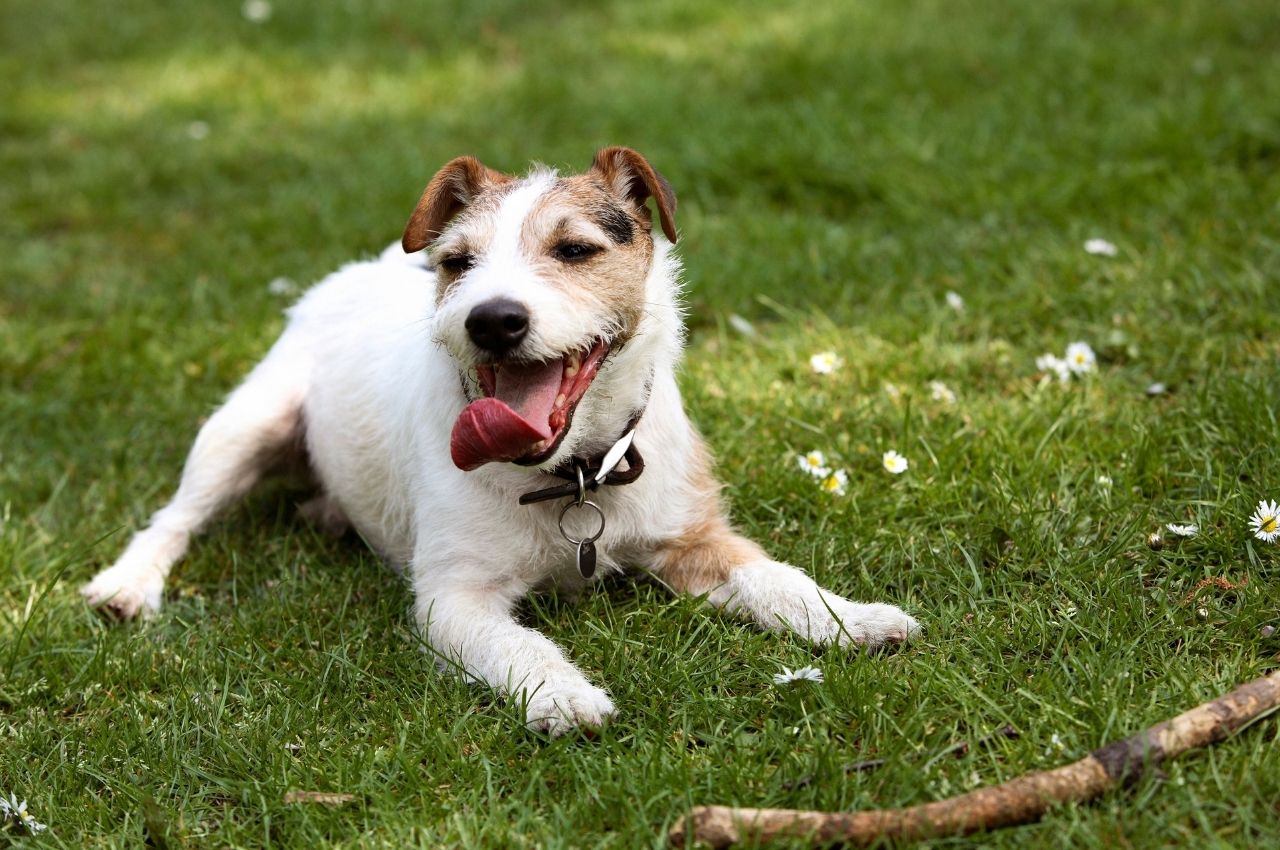
Dog parks are great places for your pup to exercise, socialize, and burn off energy, but they can also present some hidden risks. The team at Willapa Veterinary Service wants you to be aware of three common hazards to watch for when visiting the dog park.
#1: Dog park play isn’t monitored by trained professionals
A common misconception is that a wagging tail always means a dog is friendly, but that’s not always the case. Tail position, movement, and overall body language reveal a dog’s true intent — and misreading those cues can lead to conflicts. At dog parks, owners are the only ones supervising play, which can make it harder to prevent scuffles or spot stress signals early. In contrast, doggy daycare facilities have trained staff who recognize behavioral red flags and match dogs by temperament and play style to keep interactions safe.
#2: A single negative experience can impact your dog’s confidence for life
Dog parks might seem like a great place to socialize your puppy, but the environment can be overwhelming. A chaotic mix of unfamiliar, high-energy dogs can easily frighten or injure a young or timid pup, leading to long-term fear or reactivity. It’s best to build confidence through calm, one-on-one introductions in controlled settings where your dog can learn that meeting new friends is safe and positive.
#3: Dog parks can be a hotspot for intestinal parasites
Most dog parks require proof of vaccination, but few ask for a negative fecal test or confirmation of parasite prevention. Even when owners clean up after their pets, microscopic parasite eggs can remain in the soil or grass. Because not every owner is diligent about cleanup, dogs and sometimes people can be exposed to parasites like roundworms through contact with contaminated areas. Keeping your dog on year-round parasite prevention is the best way to reduce the risk of infection, though no product can prevent every type of parasite.
Still looking for safe and fun ways for your dog to socialize and stay active? Give our team at Willapa Veterinary Service a call. We’re happy to share recommendations tailored to your pet’s needs.